Refractory Selection and Maintenance for Activation Furnaces: Key to Extending Furnace Life and Reducing Energy Consumption
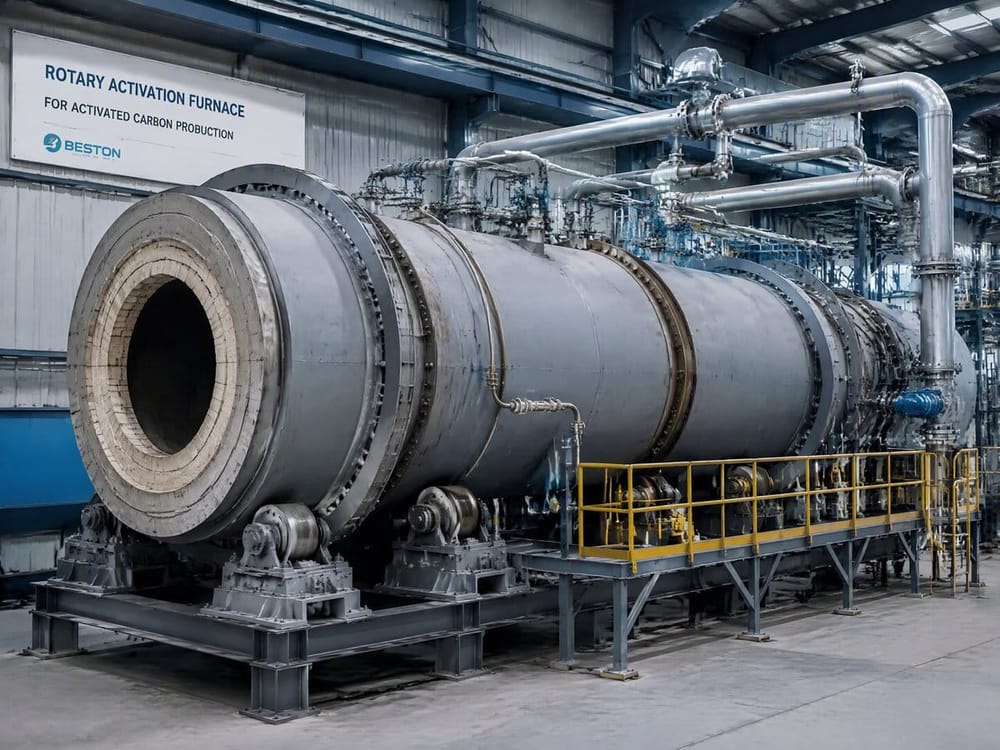
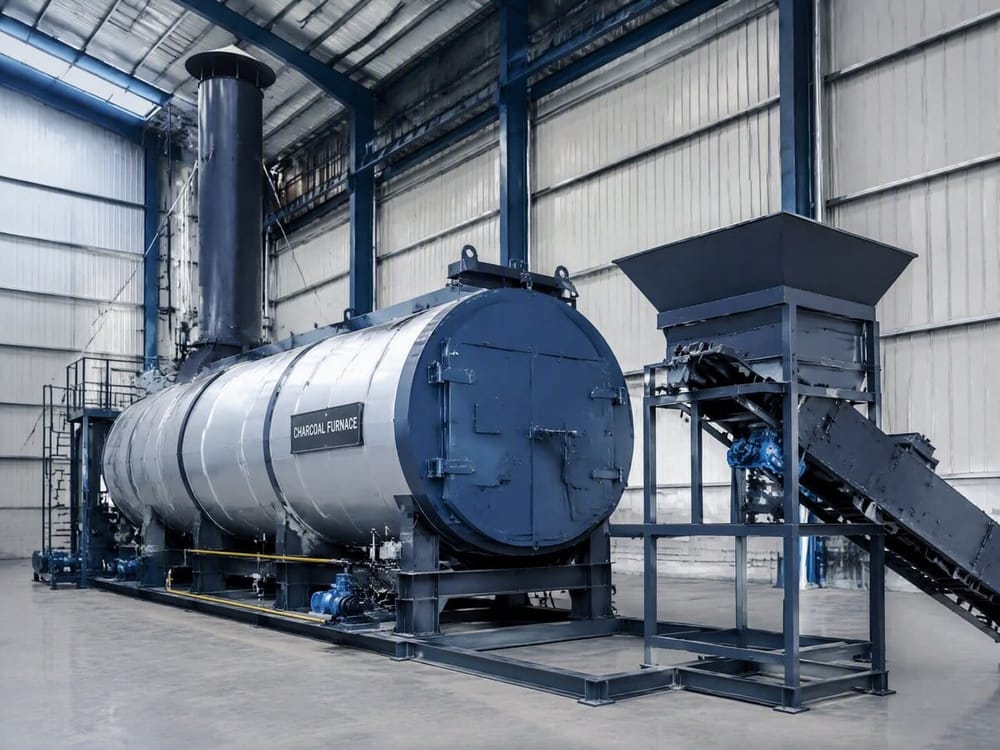
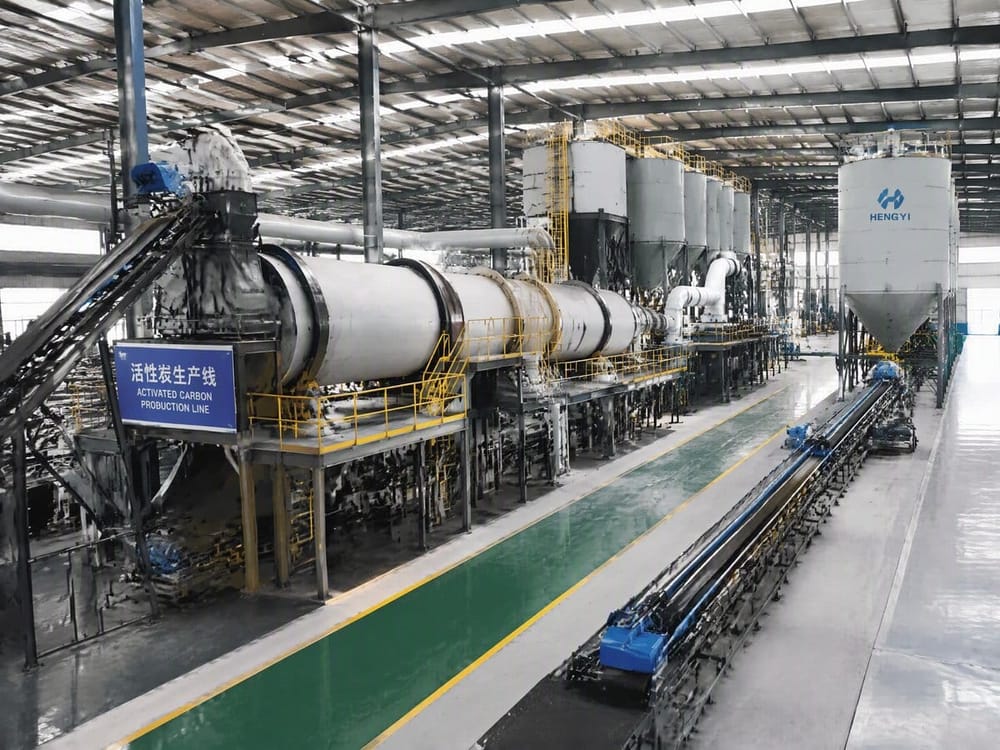
Refractory materials are the decisive factor for the stable operation, service life, and energy consumption level of activation furnaces. Improper selection or lack of maintenance can lead to frequent shutdowns for repairs at best, and furnace wall burnout or forced major overhauls at worst. This article provides actionable recommendations from four dimensions: working layer refractory selection, masonry and drying, routine maintenance, and common damage repair, to help activated carbon plants reduce refractory costs per ton and extend furnace life.
I. Working Layer Refractory Selection: Choose by Zone Conditions, Not by Experience
Different zones of an activation furnace have large temperature gradients and significantly different atmospheres. The working layer material cannot be uniform throughout. We recommend selecting materials by zone based on operating conditions:
- Preheating zone (ambient–500°C): Subject to carbonized material abrasion and mild chemical erosion. High-alumina castables or fireclay bricks are sufficient, with wear resistance as the priority.
- Activation zone (850–950°C): Strong steam and CO₂ atmosphere with noticeable alkali metal attack. Corundum or high-alumina–mullite materials are preferred, with Al₂O₃ content ≥75% and controlled CaO impurities to prevent liquid-phase erosion.
- Cooling zone (≤400°C): Frequent temperature drops and thermal shock. Select materials with good thermal shock stability, such as low-expansion mullite or zirconia-containing castables.
- Combustion chamber (>1200°C): Use high-purity corundum bricks or silicon carbide bricks, with thickness matched to the insulation layer to prevent excessive outer-wall temperature and heat loss.
Selection must also consider three parameter groups: (1) thermal shock stability (number of thermal cycles), (2) load softening temperature (at least 100°C above operating temperature), and (3) thermal conductivity (matched to insulation design). Comparing prices without considering operating conditions is often the root cause of short furnace life and high energy consumption.
II. Masonry and Drying: Half of Furnace Life Is Determined Upfront
Masonry quality directly affects refractory life. Key control points:
- Brick joint control: Working layer joints ≤2 mm. Castable formwork must include expansion joints, with no combustible residues such as wood chips or cardboard inside joints to avoid carbonization and spalling during drying.
- Anchors: Metal anchor material no lower than 304 stainless steel. Anchor density should be adjusted by furnace zone thermal load, with denser spacing in the activation zone. Anchor and refractory thermal expansion coefficients must match to avoid high-temperature cracking.
- Drying curve: New or overhauled furnaces must follow a controlled temperature ramp. The 250–350°C hold stage must be long enough (this range has the most concentrated moisture release). "Fast baking" is strictly prohibited. Excessive heating rate is the most common cause of castable spalling and joint opening.
III. Routine Maintenance: Doubling the Maintenance Cycle
- Temperature logging: Record activation-zone and combustion-chamber temperatures every shift. Identify causes promptly when localized overheating (deviation >30°C from setpoint) is detected—most damage starts with overheating.
- Infrared inspection: Scan the furnace shell monthly with an infrared camera. A surface temperature differential exceeding 15°C indicates lining thinning or insulation failure. Schedule planned maintenance to avoid emergency shutdowns.
- Seal management: Regularly inspect seals on furnace doors, thermocouple ports, and manholes. Air leakage introduces cold air, increasing energy consumption and intensifying localized thermal shock.
- Shutdown protection: During short stops, allow temperature to decrease gradually and avoid rapid cooling. During long stops, protect the furnace interior from moisture and acidic gas condensation erosion.
IV. Common Damage Types and Repair Strategies
| Damage Type | Typical Cause | Repair Recommendation |
|---|---|---|
| Joint cracking | Excessive drying rate / thermal shock | Hot-state high-temperature mortar injection |
| Castable spalling | Anchor failure / excessive heating rate | Local patch repair and anchor inspection |
| Activation-zone erosion | Combined alkali vapor + steam attack | Replace with higher-Al₂O₃ or corundum material |
| Outer-wall overheating | Insulation layer failure | Full insulation layer rebuild during shutdown; do not only thicken outer layer |
Repair principle: Small damage gets small repairs; large damage gets localized replacement; erosion exceeding one-third of the zone depth requires full rebuild. Delaying repairs allows localized damage to spread, ultimately costing several times more than timely repair.
Conclusion
There is no shortcut to activation furnace refractory management, but focusing on four key points—"select by zone, dry by curve, inspect by cycle, repair by depth"—can generally extend furnace life from 2–3 years to 4–5 years, with a corresponding reduction in unit product energy consumption. For specific refractory selection solutions or furnace inspection recommendations, please contact Songrui Refractory for technical support.