
All undefined Articles
Improving Activated Carbon Yield: Five Loss Points from Feed to Product
Activated carbon yield passes five loss points: 12–20% feed moisture, 70–80% volatiles lost in carbonisation, 3–12% screening fines, 35–50% activation burn-off and 2–5% in washing and drying. Each stage comes with a realistic range and the parameters that move it, plus the rule that every 100 mg/g of iodine value costs 4–7 points of yield.
Waste Heat Recovery on Activation Furnaces: Three Options and Payback
Three heat recovery routes for activation furnaces: an off-gas boiler raising 0.8–1.6 MPa steam back to activation (RMB 0.6–1.2 million for 4 t/h, 1.5–3 year payback), an air preheater taking combustion air to 150–250°C (RMB 0.2–0.5 million, 1–2 years), and hot air to drying (RMB 0.4–0.9 million, 2–4 years). Also explains why heat below 120°C rarely pays.
Slep Furnace Structure and Process: Why Dual-Medium Activation Yields Finer Micropores
How the Slep furnace works: vertical channels, regenerators and alternating steam/flue-gas activation at 1100-1200C, why the 20-40 min reversal cycle matters, and why it suits granular shell carbon but not powder.
How to Configure a Complete Activated Carbon Production Line
Configure a line backwards from annual tonnage, anchored on the activation furnace: a 3000 t/a plant uses two furnaces of 1200–1800 t/a each, with every section sized 1.1–1.2 times the previous one. Includes the common carbonization sizing error and why environmental systems must be on the master plan.
Iodine Value, Methylene Blue Value and CTC Adsorption Explained
Iodine value reads micropores, methylene blue reads mesopores, CTC reads gas-phase capacity. This article gives typical number ranges for coconut and coal-based carbon, a real mismatch scenario caused by iodine-only selection, and which indicator to watch for water treatment, decolorization and vapor-phase duty.
Coconut Shell Activated Carbon Production: Six Process Stages
Six inseparable process stages turn coconut shell into activated carbon. The article lists executable setpoints stage by stage — carbonization temperature, steam-to-carbon ratio and burn-off, acid concentration and rinse targets, final moisture — and explains how coconut shell differs from coal-based feedstock.
Continuous vs Batch Carbonization Kiln: Capacity, Yield and Operation
Three tonnes a day is a useful dividing line between batch and continuous carbonization. The article compares cycle time, stored-heat losses on each start and stop, temperature uniformity, labour and payback, explains why batch efficiency does not improve with scale, and sets out the throughput at which a continuous line recovers its extra capex in two to three years.
Carbonization vs Activation Furnace: Why an Activated Carbon Line Needs Both
Carbonization removes volatiles at 400–600°C; activation builds pores with steam at 850–950°C. This article compares temperature, residence time and material state across both stages, explains why a single furnace creates three conflicts, and gives the line sequence plus a 1.1–1.2 capacity matching factor.
How to Choose a Spent Activated Carbon Regeneration Furnace: Three Kiln Types Compared
After GB/T 47051-2026 took effect, spent activated carbon regeneration must meet clearer requirements on temperature control, sealed negative pressure and energy limits. This article compares rotary, multiple-hearth and fluidized-bed regeneration kilns and gives four practical selection criteria.
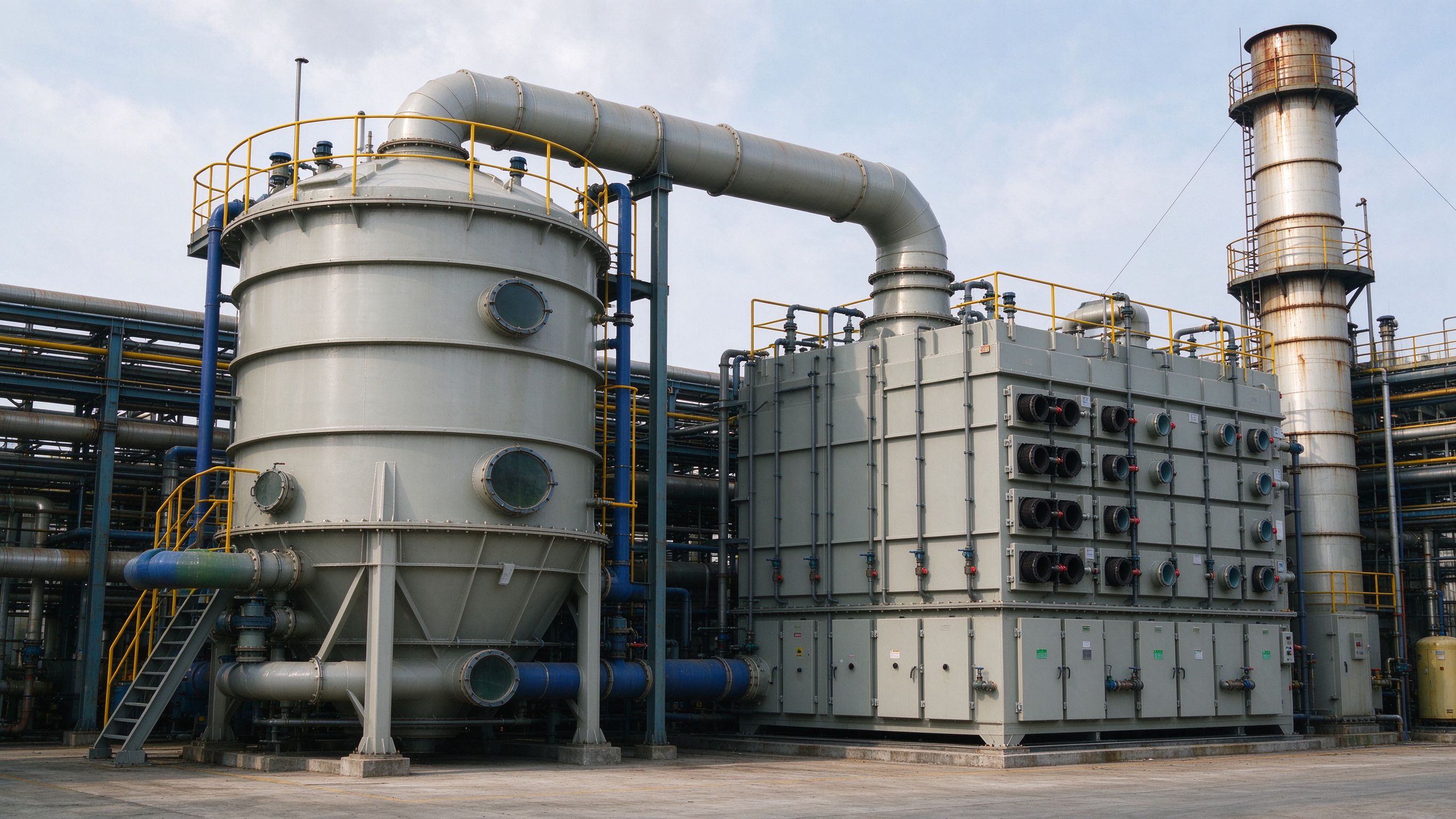
Activated Carbon Furnace Exhaust Treatment and Environmental Compliance
Exhaust sources and treatment options (dust, SO2, NOx, VOCs) for activated carbon furnaces to meet environmental standards.
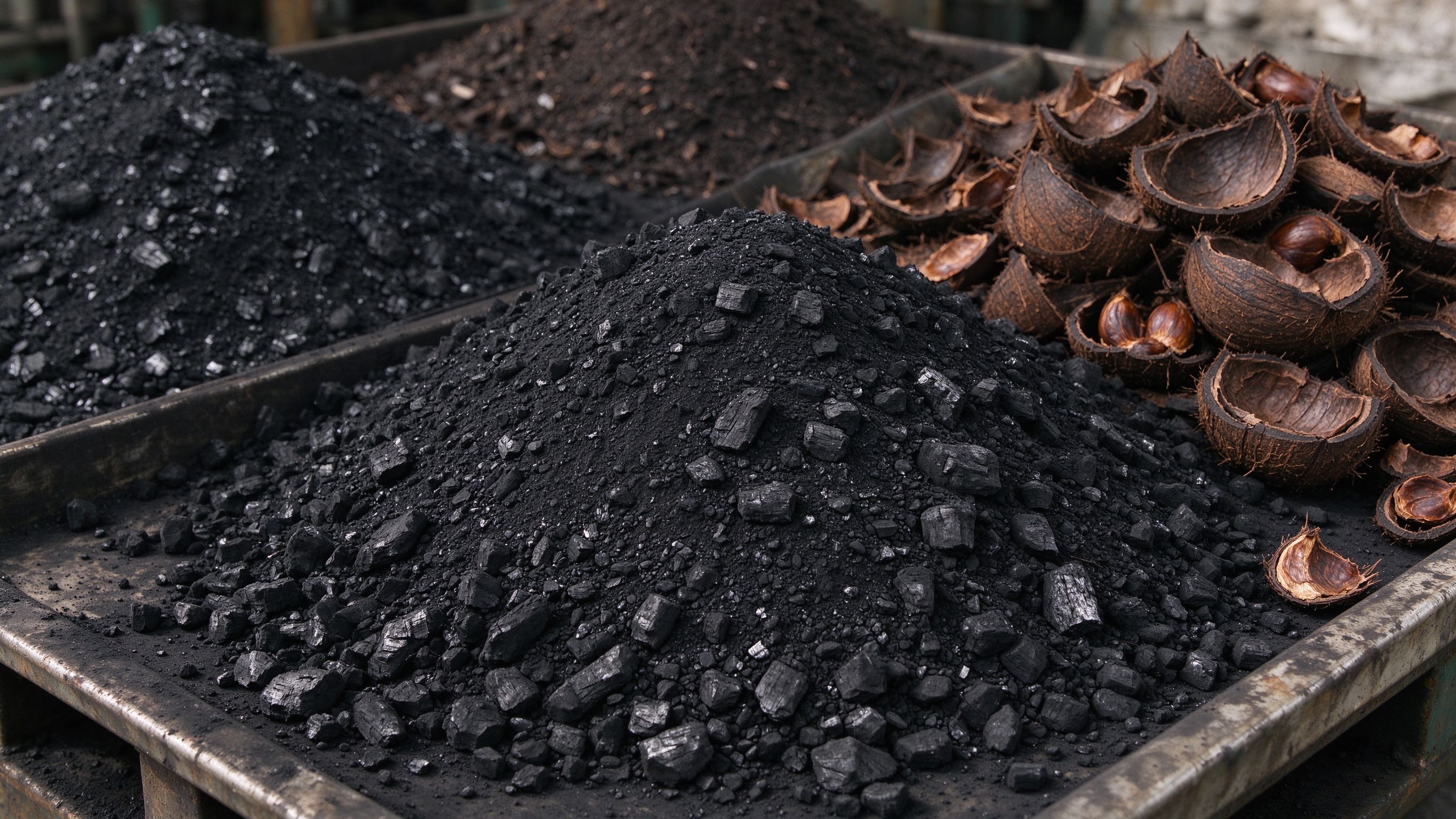
Activated Carbon Raw Material Selection: Coal, Coconut Shell, Fruit Shell and Wood Char
Compare coal, coconut shell, fruit shell and wood raw materials for activated carbon, and how to match feed with furnace type.
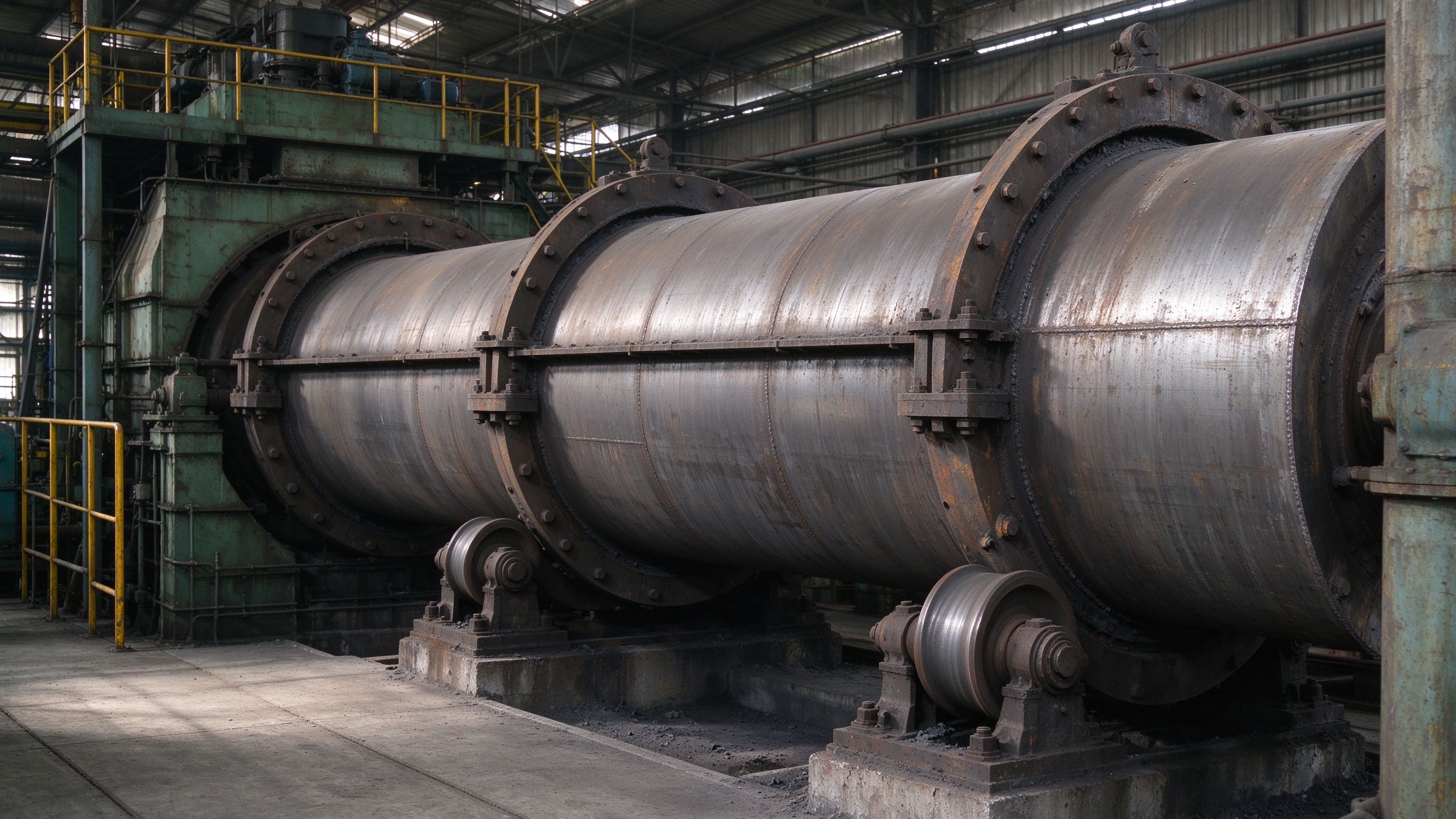
Rotary Activation Furnace Working Principle and Key Activated Carbon Process Parameters
How a rotary activation furnace works and how temperature, steam ratio and residence time affect activated carbon iodine value.
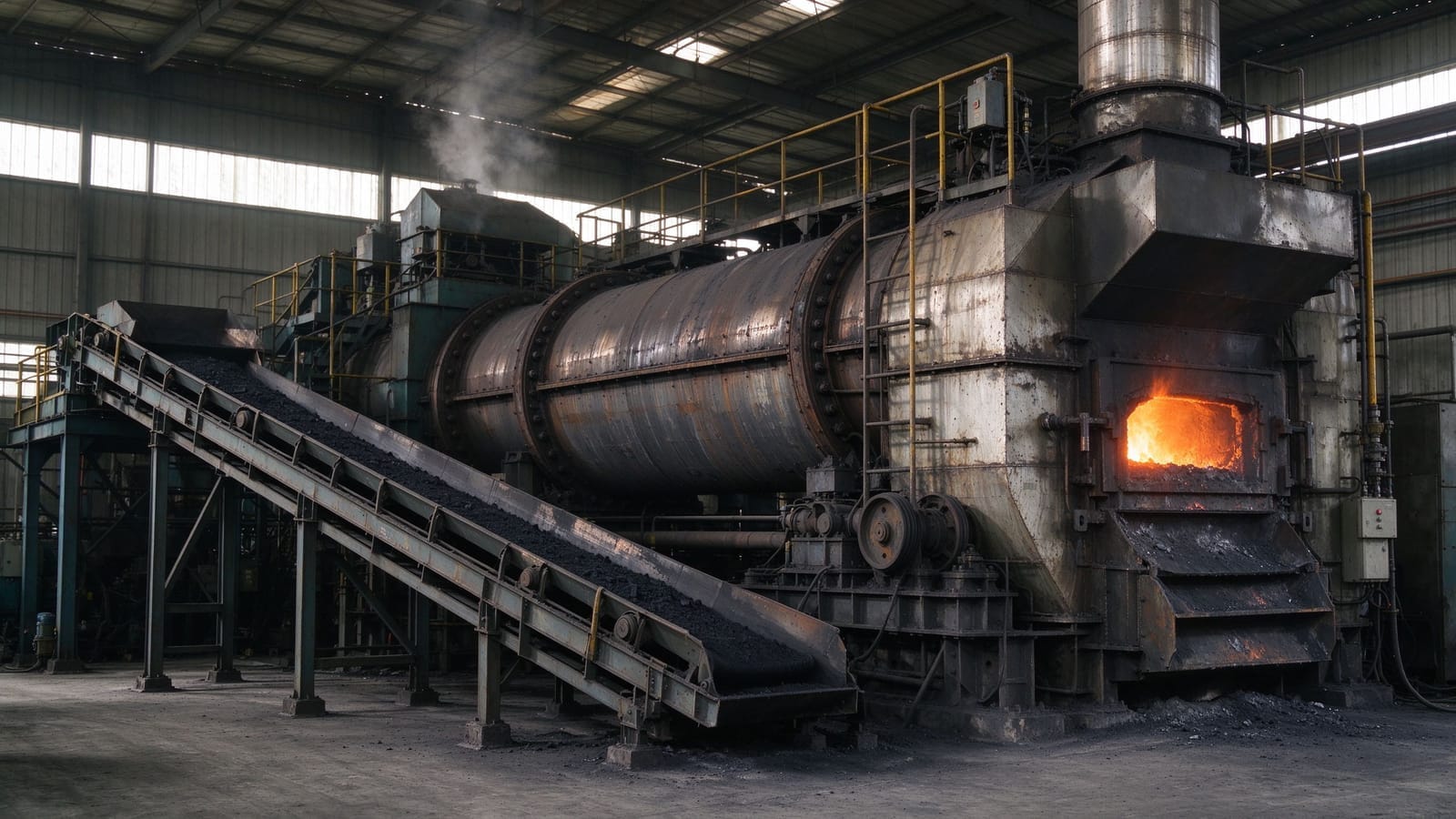
GB/T 47051-2026 Takes Effect: A Renewal Window for Spent Activated Carbon Regeneration Equipment
China's first systematic national standard for thermal regeneration of spent activated carbon, GB/T 47051-2026, took effect on 1 August 2026. It sets mandatory requirements for temperature control, enclosed negative-pressure operation, energy limits, regenerated carbon quality and emission control — putting many existing regeneration kilns under compliance pressure. This article reviews the key requirements, compares mainstream kiln types and outlines three response paths.
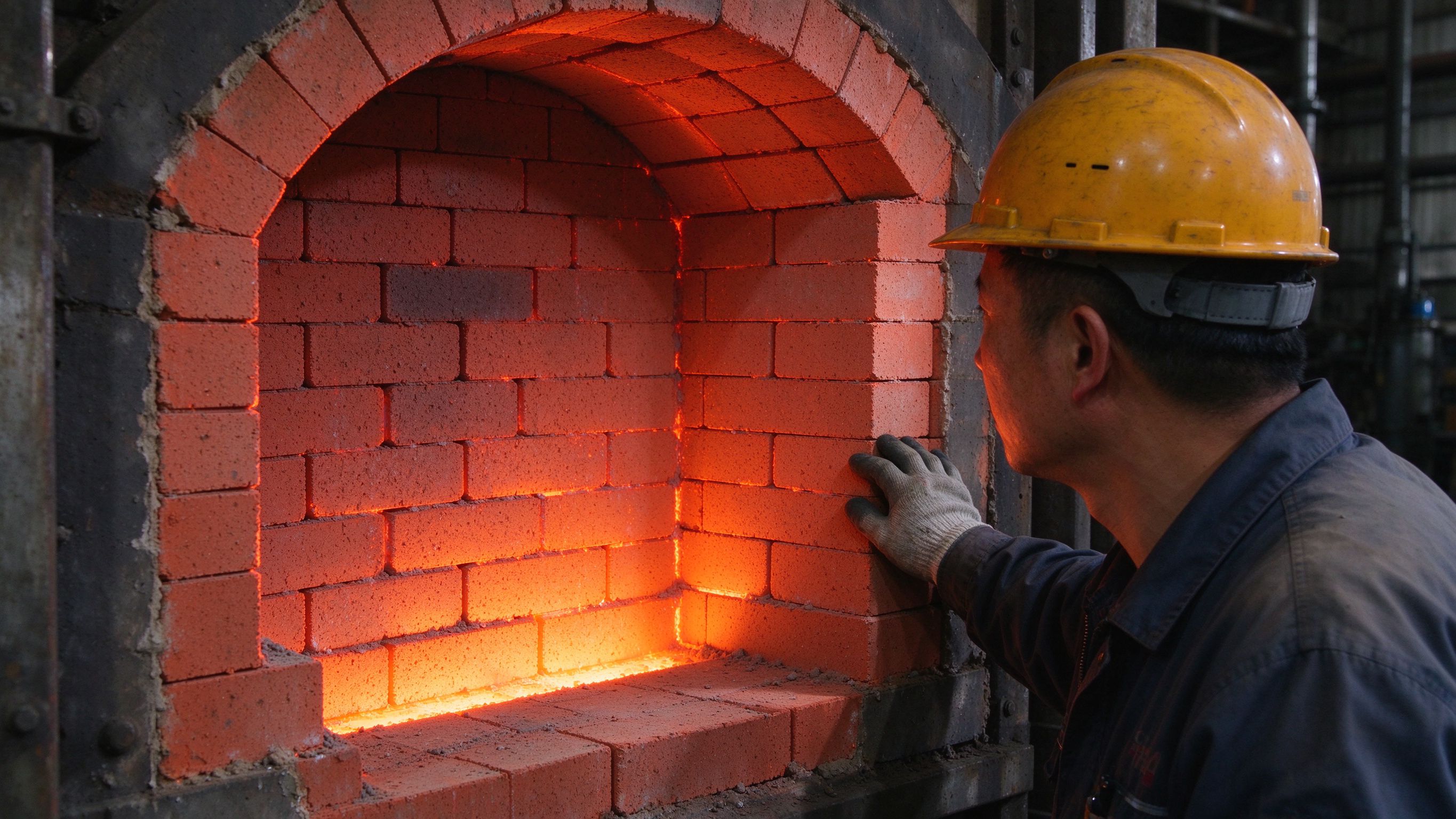
Refractory Selection and Maintenance for Activation Furnaces: Key to Extending Furnace Life and Reducing Energy Consumption
Refractory materials are the core of stable operation and energy control in activation furnaces. This article provides practical recommendations on working-layer refractory selection, masonry quality, drying and maintenance cycles, and common damage repair to help activated carbon plants extend furnace life and reduce refractory costs per ton.
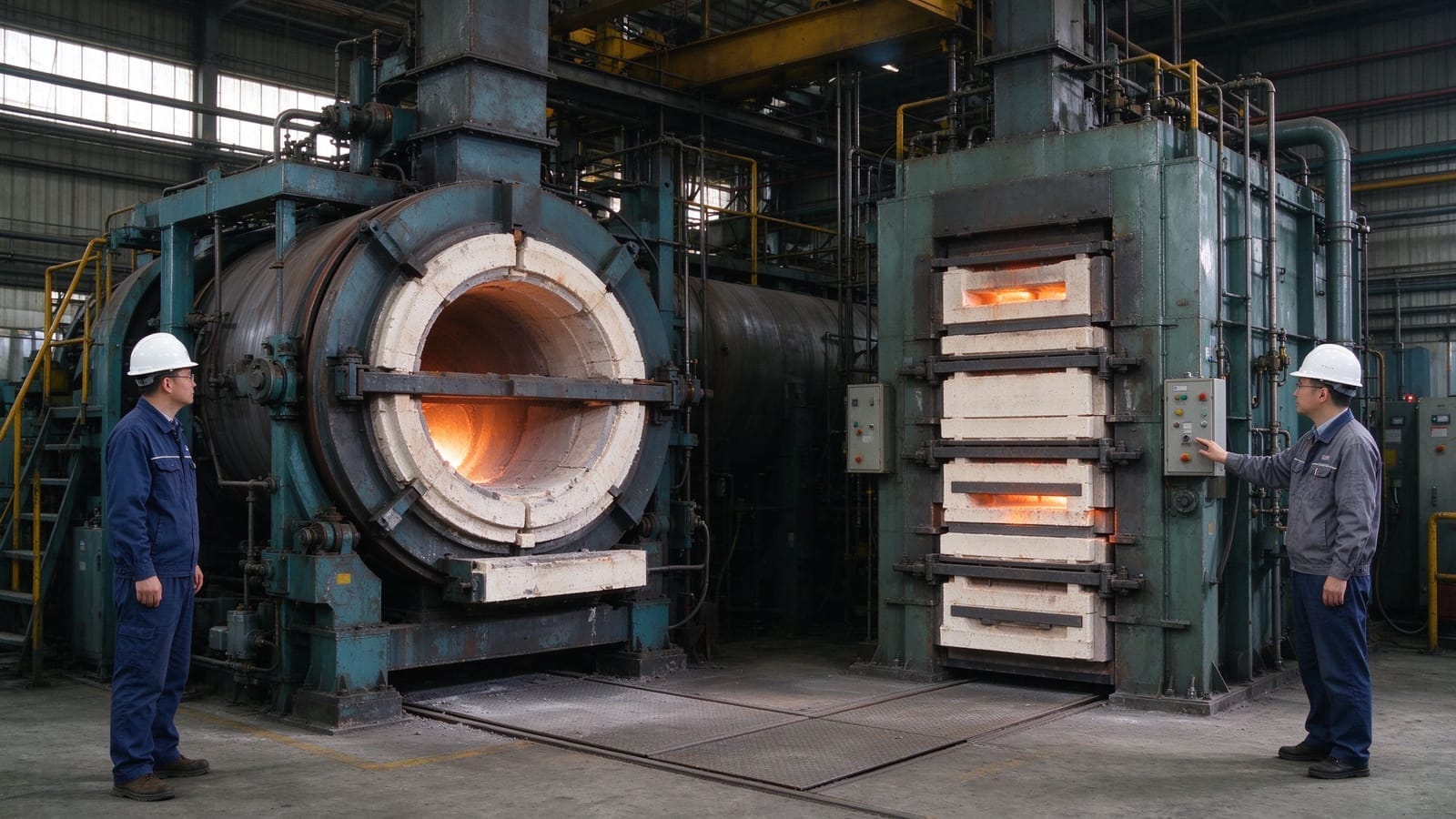
How to Choose Between Rotary and Slep Activation Furnaces
Choosing the activation furnace type is the core decision of an activated carbon project. This article compares rotary and Slep furnaces across feedst
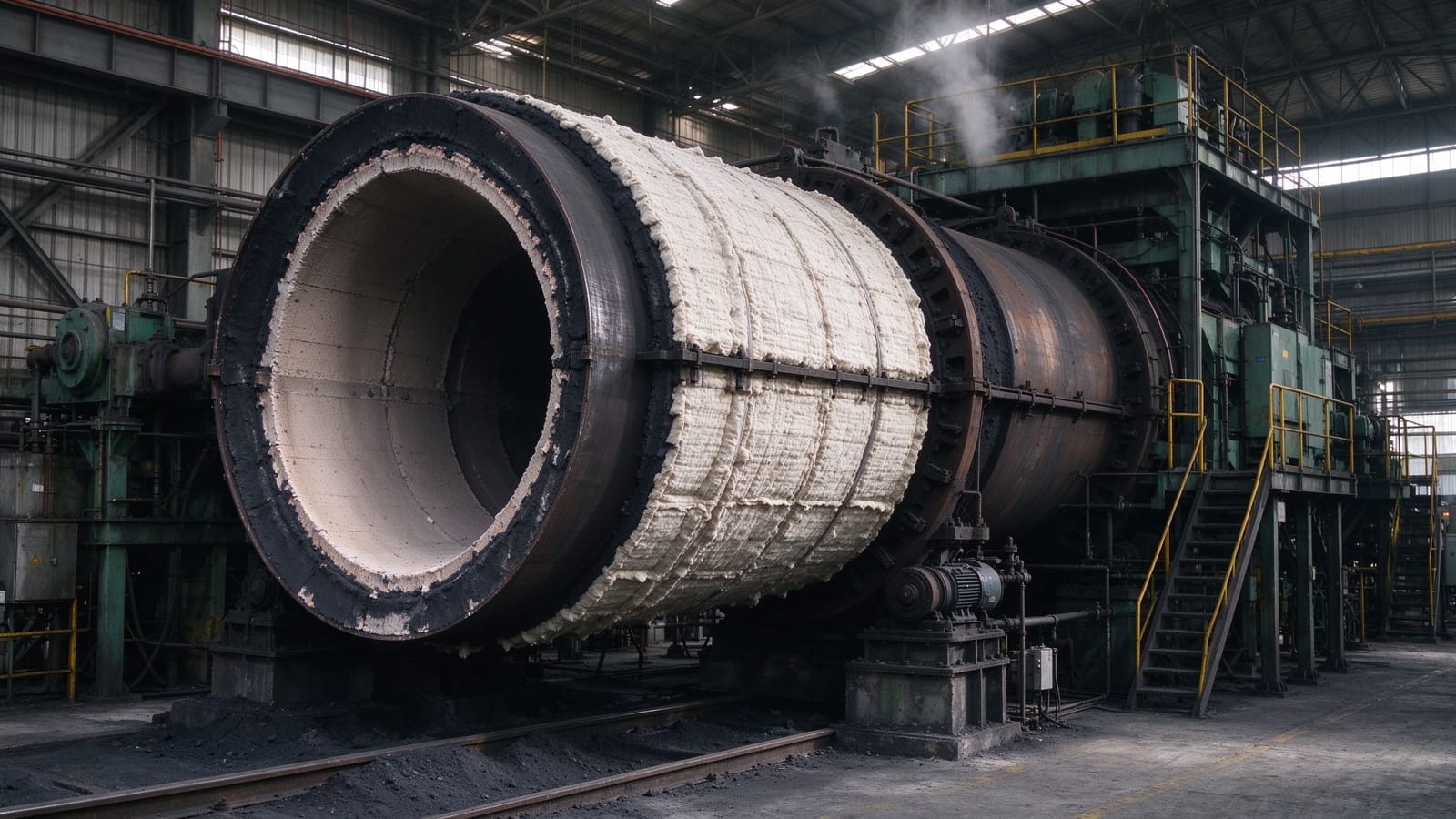
High Energy Consumption in Activated Carbon Production? Four Retrofit Directions
Aging activation furnaces commonly suffer from heat loss, incomplete combustion, unused waste heat and experience-based operation. Four retrofit direc
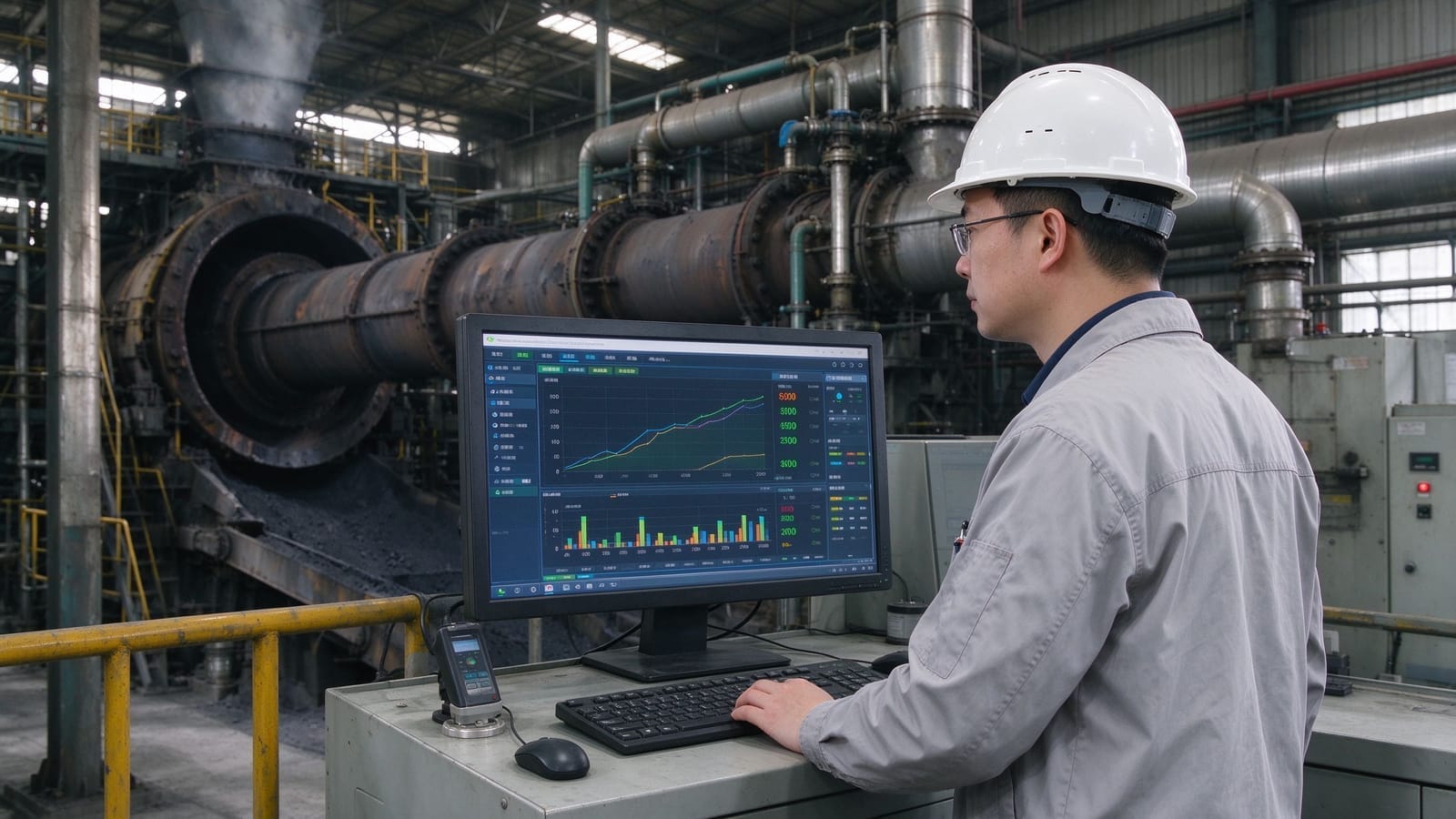
Songrui Completes 3000t/a Activation Line Energy-saving Retrofit
Recently the company completed an energy-saving retrofit for a 3000t/a rotary activation line, including insulation upgrade, combustion optimization a
Activated Carbon Industry Boom Opens Kiln Renewal Window
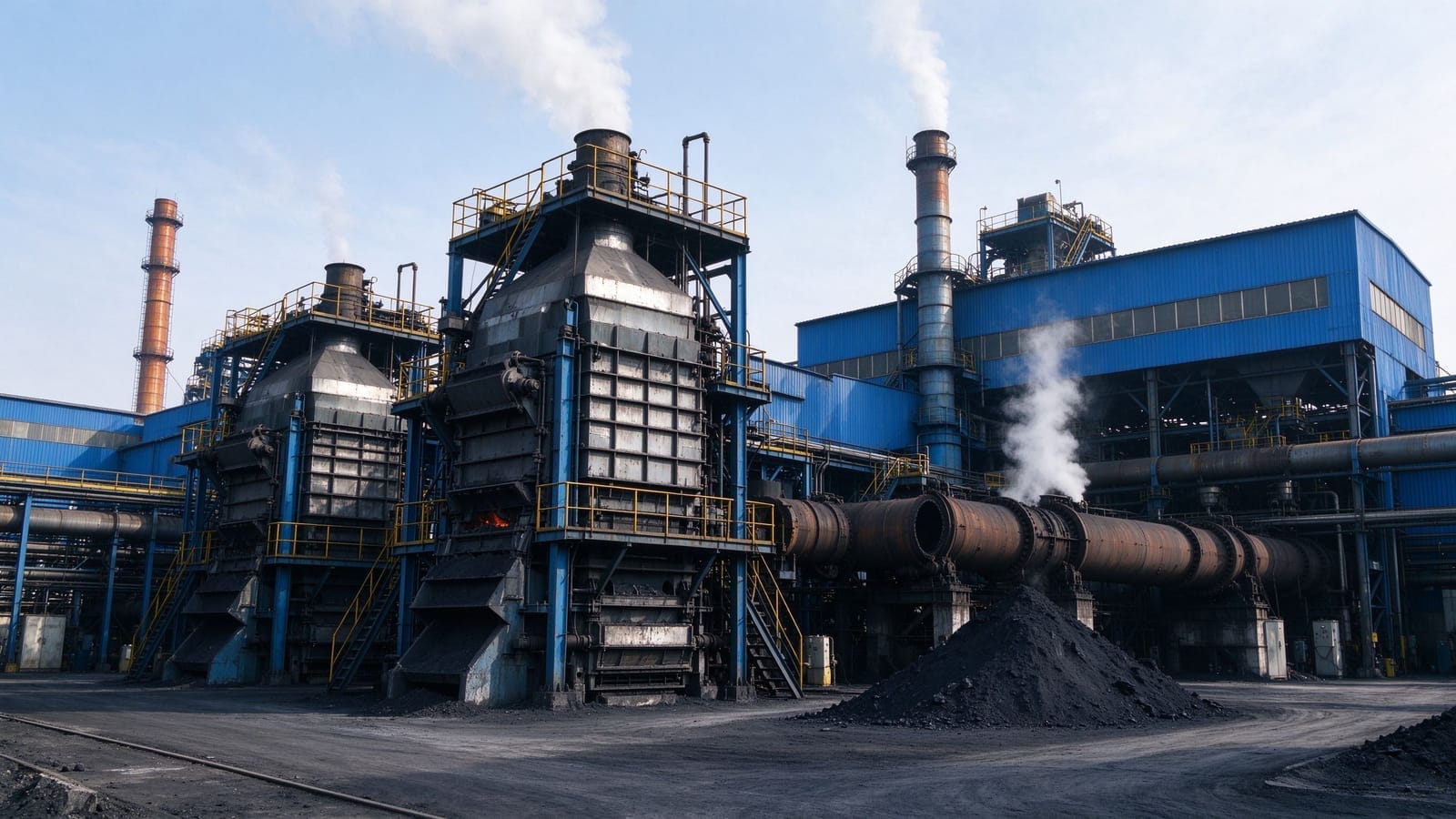
With stricter environmental standards and growing demand in water treatment and VOCs control, activated carbon demand keeps expanding. Meanwhile, earl